
About Bbdbuy Spreadsheet
Click the images below to browse!




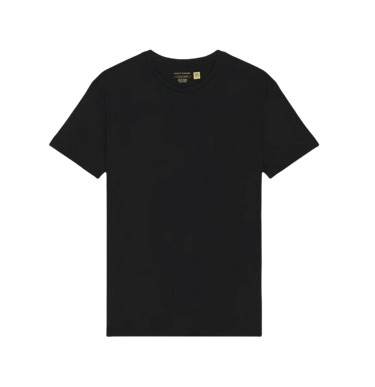
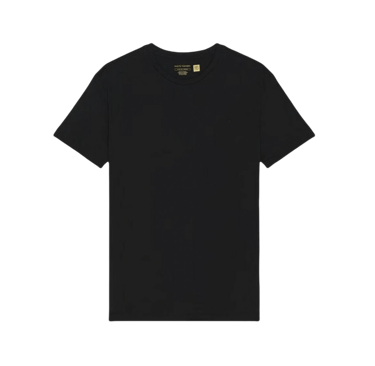



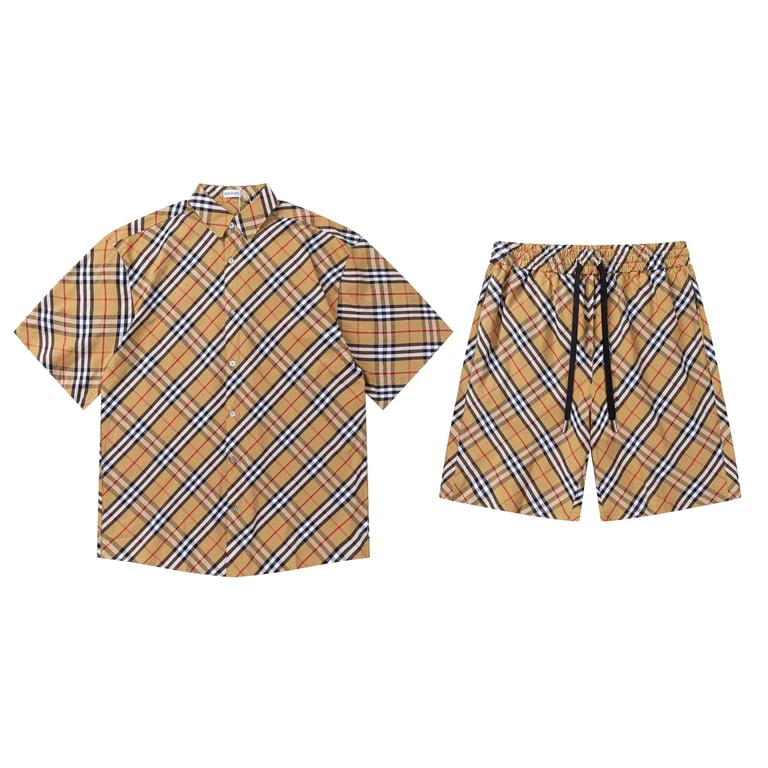



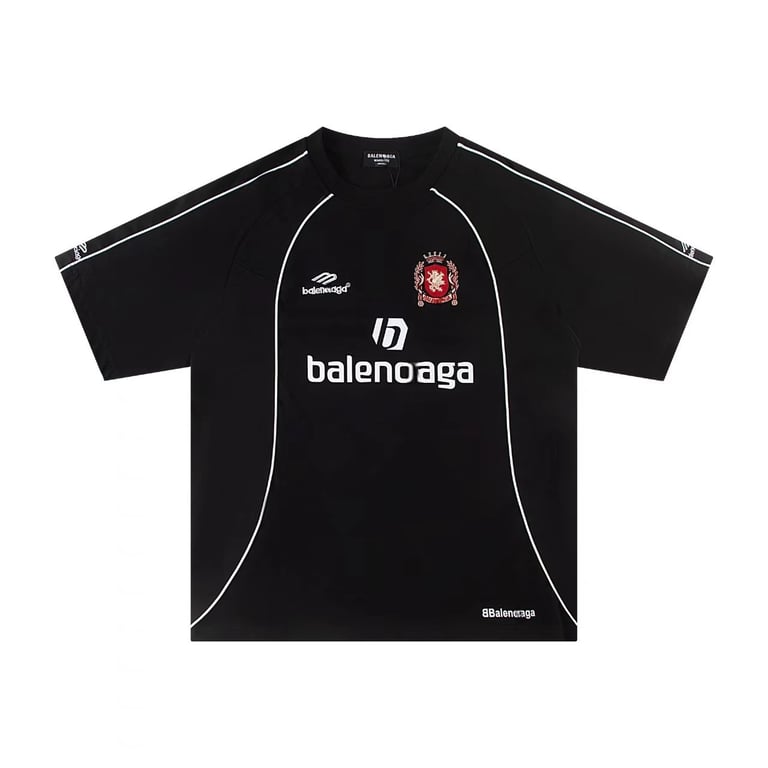



How Bbdbuy links help validate product demand quickly
In ecommerce sourcing, identifying a potential product is only the first step. The real challenge is determining whether that product actually has sustainable market demand before investing time, ad spend, or inventory decisions. Many sellers fail because they rely solely on surface-level signals such as appearance, trends, or competitor activity, without confirming real supply-side and demand-side consistency.
The Bbdbuy links system is designed to bridge this gap by enabling fast, direct validation of product viability through supplier-level interaction. When combined with the Bbdbuy spreadsheet, it transforms product selection from a speculative process into a structured validation workflow.
This article explains how Bbdbuy links help validate product demand quickly and reliably in real sourcing scenarios.
Why demand validation is critical in ecommerce sourcing
In cross-border ecommerce, demand is often volatile. A product may appear attractive due to viral exposure, competitor listings, or temporary trends, but still fail in real market performance.
Without proper validation, sellers risk:
Investing in saturated products
Choosing unstable supplier items
Misjudging real consumer demand
Overestimating short-term trend signals
The key issue is that most platforms only show outcome data (such as sales rankings), not real-time supply responsiveness or early demand confirmation signals.
This is where Bbdbuy links play a crucial role.
What Bbdbuy links actually do in the sourcing process
Within the Bbdbuy spreadsheet, each product entry is connected to a corresponding supplier pathway through Bbdbuy links. These links are not just navigation tools—they act as validation gateways between data and real-world sourcing conditions.
Instead of relying only on spreadsheet-level summaries, users can directly access:
Live product availability
Supplier pricing conditions
Variation and stock details
Listing stability and update frequency
This creates a direct feedback loop between structured product data and real supplier behavior.
Step 1: Confirming real product availability
The first and most basic validation step using Bbdbuy links is checking whether a product is actually available in real supply conditions.
Inside the Bbdbuy spreadsheet, a product may appear promising based on structure or trend signals. However, once accessed through Bbdbuy links, users may discover:
Limited or unstable stock
Temporary or seasonal listings
Supplier discontinuation
Inconsistent product availability
This step prevents sellers from building strategies around products that cannot be reliably sourced.
Availability validation is the foundation of demand confirmation.
Step 2: Checking pricing stability in real conditions
Price consistency is another key factor in demand validation.
Through Bbdbuy links, users can observe:
Real-time supplier pricing
Bulk pricing thresholds
Variation-based price differences
Hidden cost structures that may not appear in spreadsheet summaries
A product that looks profitable in the Bbdbuy spreadsheet may lose viability once real pricing conditions are revealed.
Stable pricing across multiple checks usually indicates stronger and more reliable demand conditions, because suppliers are confident enough to maintain consistent pricing structures.
Step 3: Evaluating supplier responsiveness as a demand signal
Supplier behavior itself can be an indirect indicator of product demand.
When accessing suppliers via Bbdbuy links, users can evaluate:
Speed of response to inquiries
Update frequency of listings
Availability of multiple variations
Engagement level in maintaining product pages
High responsiveness and active listing updates often indicate that suppliers are serving ongoing demand rather than passive or outdated inventory.
This behavioral layer adds another dimension to demand validation beyond raw data.
Step 4: Validating product variation depth
Demand strength is often reflected in how many variations a product supports.
Using Bbdbuy links, users can check whether a product has:
Multiple color or design options
Different bundle configurations
Size or functional variations
Expanded product lines under the same concept
Products with deeper variation structures usually indicate broader market demand, as suppliers expand offerings to capture different buyer segments.
Shallow or static listings, on the other hand, often indicate limited or declining demand potential.
Step 5: Comparing real supplier consistency across listings
Another important validation method is cross-checking supplier consistency.
Through multiple Bbdbuy links, users can compare:
Whether different suppliers maintain similar pricing levels
Whether product descriptions remain consistent
Whether variations are widely available or isolated
Consistency across suppliers is often a strong indicator that demand is real and not isolated to a single listing.
This step helps eliminate false positives generated by single-supplier anomalies.
Step 6: Connecting spreadsheet signals with live validation
The Bbdbuy spreadsheet provides structured signals such as repetition, category clustering, and update frequency. However, these signals alone are not enough to confirm demand.
The real power comes from combining:
Spreadsheet-level trend indicators
Live supplier verification through Bbdbuy links
For example:
A product repeated across multiple spreadsheet updates may suggest rising demand
Validation through Bbdbuy links confirms whether this demand is supported by real supply activity
This dual-layer approach significantly reduces sourcing uncertainty.
Common mistakes in demand validation
Many users misuse validation tools by skipping key steps or misinterpreting signals.
Common mistakes include:
Relying only on spreadsheet signals without using Bbdbuy links
Assuming availability equals demand strength
Ignoring pricing fluctuations during validation
Overvaluing supplier listing appearance without checking behavior
Treating single validation checks as final confirmation
Effective demand validation requires repeated observation and multi-factor evaluation.
Practical workflow for fast demand validation
A structured validation workflow using Bbdbuy links typically includes:
Identify candidate products in Bbdbuy spreadsheet
Check initial trend or repetition signals
Access supplier pages via Bbdbuy links
Confirm availability and pricing stability
Evaluate variation depth and listing consistency
Cross-check multiple suppliers if available
Decide whether product qualifies for testing
This process allows sellers to quickly filter out weak opportunities and focus only on viable sourcing candidates.
Conclusion
The Bbdbuy links system plays a critical role in validating product demand quickly by connecting structured spreadsheet data with real supplier conditions. It allows users to confirm availability, pricing stability, variation depth, and supplier behavior in real time.
When combined with the Bbdbuy spreadsheet, it creates a two-layer sourcing system: one for identifying potential opportunities and another for validating real-world feasibility.
In fast-moving ecommerce environments, this combination significantly reduces risk, improves decision accuracy, and helps sellers avoid investing in products without sustainable demand.